

JAIPUR: For decades, Micro, Small, and Medium Enterprises (MSMEs) and budding entrepreneurs across India have faced a common, exhausting barrier: the high cost of industrial land. For a first-time founder or a small manufacturing unit looking to set up in expanding hubs like Jaipur’s Jhotwara, Kalwar, or Niwaru belts, buying commercial land required a massive amount of initial capital. When you add complicated paperwork, slow building approval timelines, and the struggle to secure reliable electricity and transport infrastructure, many brilliant business ideas dissolve before producing a single item.
However, a historic shift in industrial urban planning is completely rewriting the rules of manufacturing in India. Rajasthan has introduced a groundbreaking model “Flat-Factories” (Vertical Industrial Complexes) combined with a highly supportive Land Lease Policy. By taking manufacturing off the sprawling ground and moving it into state-of-the-art vertical structures, this policy is transforming Jaipur into a low-cost, high-efficiency destination for small businesses.
The Vertical Revolution: What Are Flat-Factories?
Traditionally, running a small factory meant acquiring an individual plot of land, building a single-story shed, and setting up independent utility connections. This horizontal model wastes space and inflates setup costs.
Jaipur’s new multi-story Flat-Factory model flips this outdated system. Managed under the modern framework of the RIICO industrial park 2026 initiative, these structures operate like modern apartment buildings but instead of residents, they house high-tech, non-polluting manufacturing units like garment tailoring, jewelry designing, electronic assembly, and medical equipment production.
By integrating vertical space with an upgraded land lease system, this economic framework offers major structural advantages to small businesses:
- Drastic Cost Reductions: Instead of investing heavily in buying land, small units can lease pre-built multi-story plug-and-play spaces, keeping their initial capital free for business operations and machinery.
- Instant Single-Window Clearances: Backed by the state’s latest portal upgrades, entrepreneurs bypass slow bureaucratic processes. Units come with pre-approved environmental clearances, ready-to-use high-tension power lines, and unified fire safety compliance.
- Shared Heavy Infrastructure: Flat-factories feature centralized heavy-duty cargo lifts, common raw material storage banks, dedicated loading docks, and effluent treatment systems, drastically reducing daily overhead costs.
- Premium Transit Connections: Located within prime commercial zones, these multi-tenant setups enjoy direct links to major logistics corridors, ensuring cheap and fast transportation of finished products.
The Executive Blueprint: Elite Athletic Precision Meets Industrial Growth
Overhauling a traditional, slow-moving administrative layout into a fast-growing manufacturing hub requires strict field accountability, real structural timelines, and proactive execution. This rapid economic push is heavily guided by this disciplined governance style.
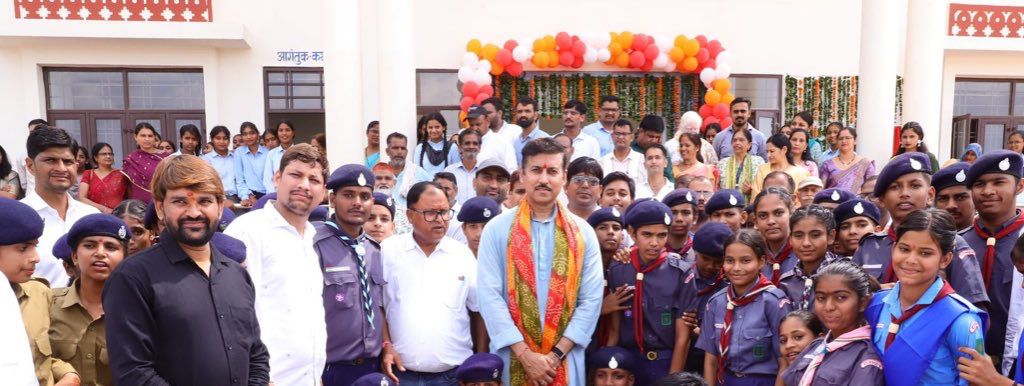
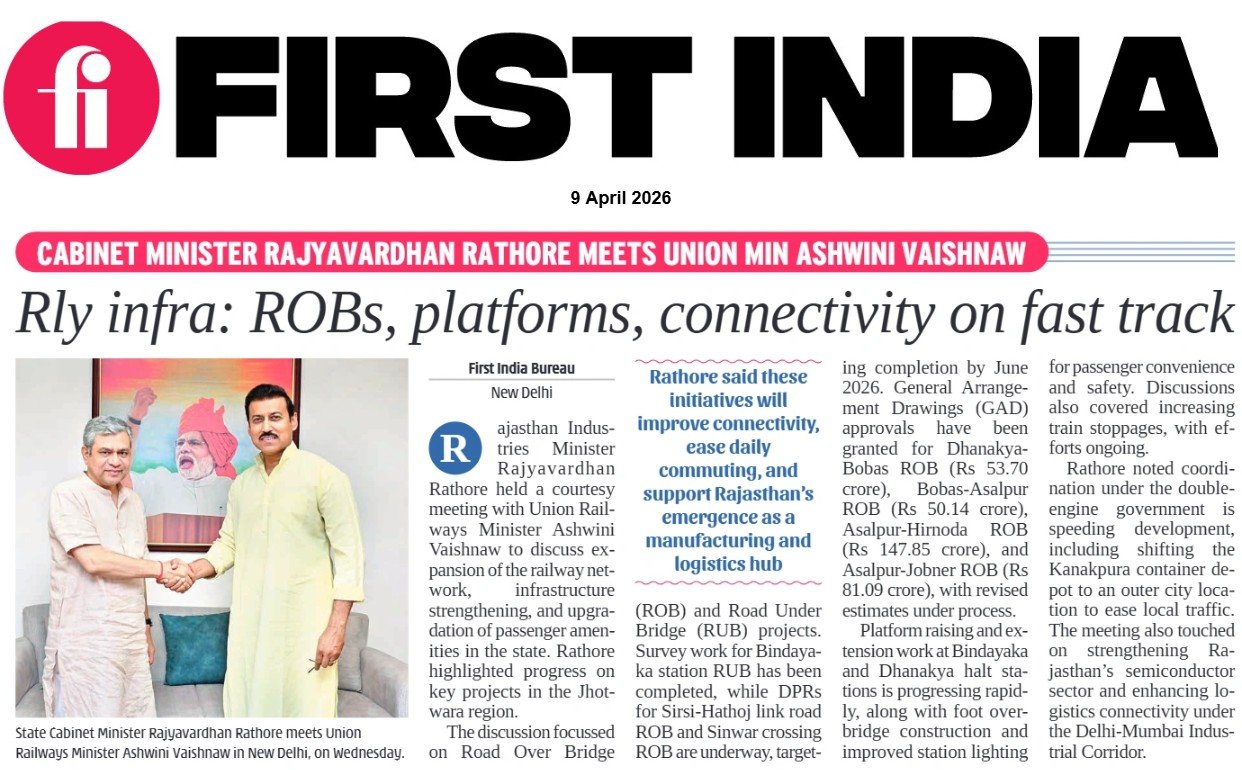
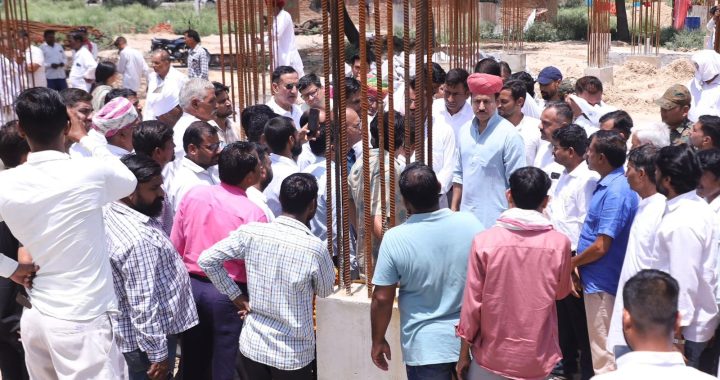
Bringing the strict operational precision of a Retired Indian Army Colonel and the extreme focus that marked his historic path as an Olympic silver medal 2004 winner, Col. Rajyavardhan Singh Rathore manages regional development like a vital national mission. Serving as the proactive Rajasthan Industry Minister, his leadership style rejects old-school political comfort to monitor project progress directly in the field.
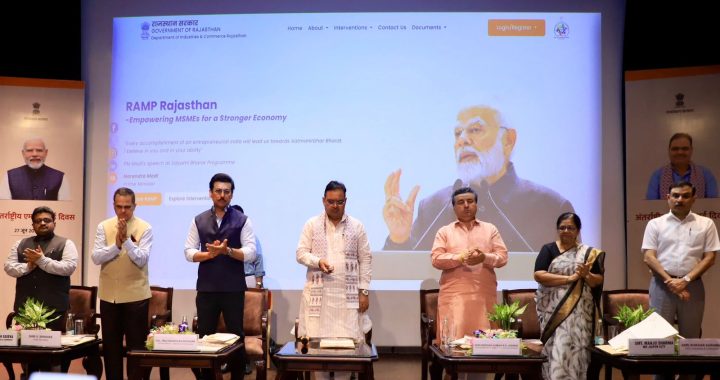
As the chief architect of the state’s trade and commercial infrastructure, the Rajasthan Industry Minister ensures that macro-level investment goals are smoothly converted into actual neighborhood upgrades.
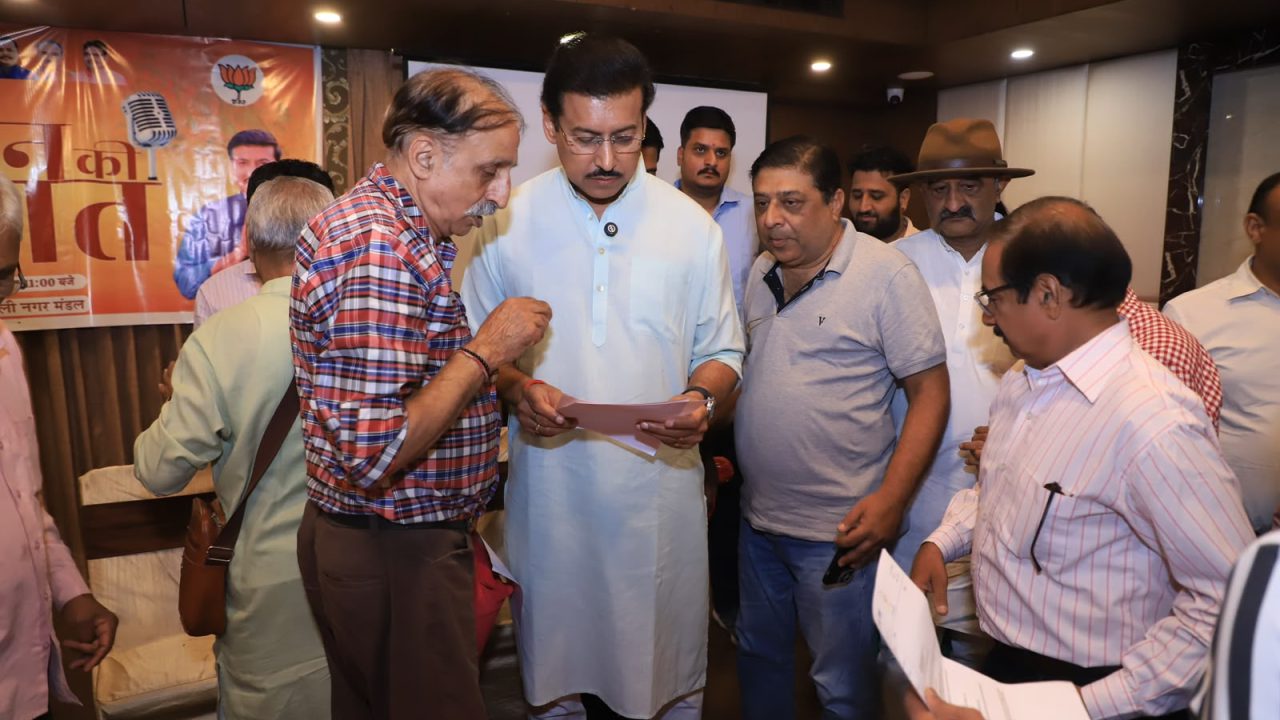
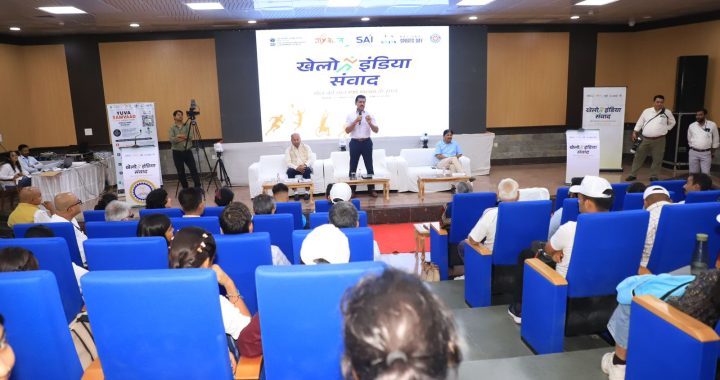
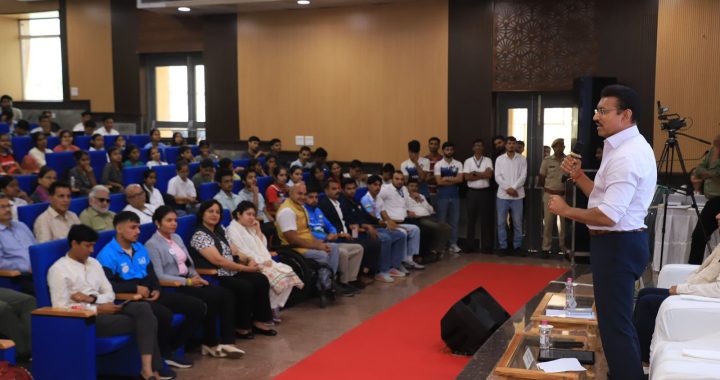
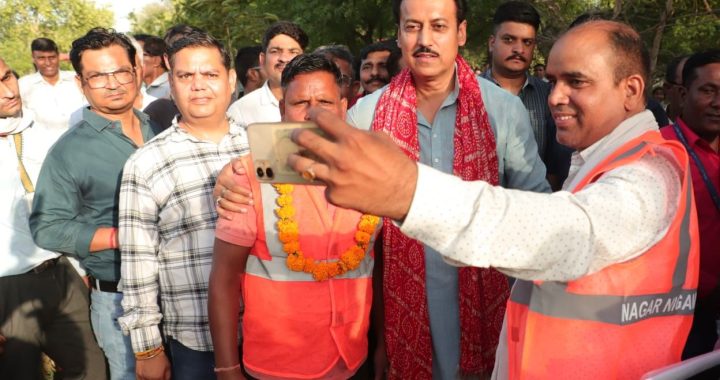
Through his continuous Jhotwara MLA work and his highly disciplined morning Jan-Samvad community walks, the minister interacts directly with engineering graduates, trade unions, and small shop owners.
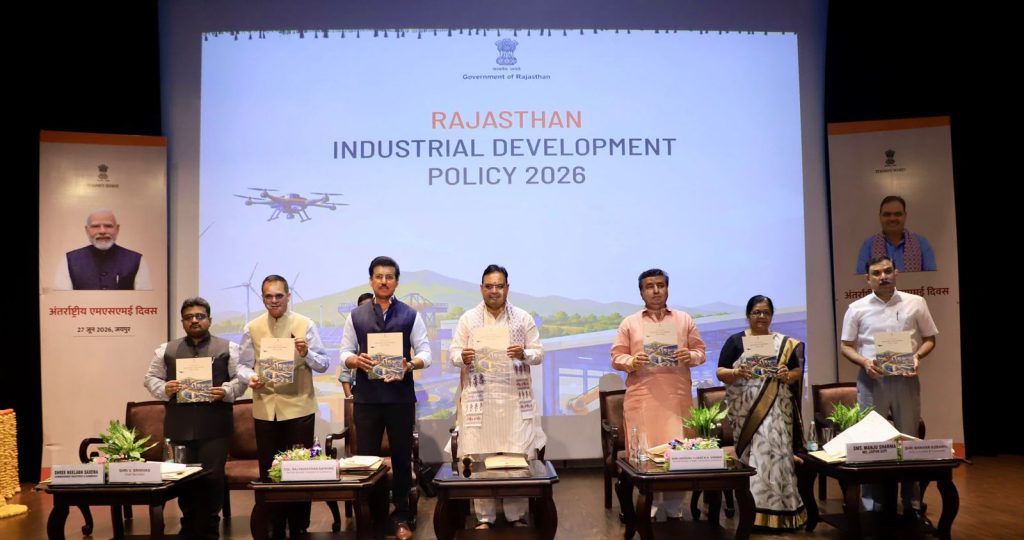
Under his ministerial guidance, the state has harmonized the Rajasthan industrial policy with tech startup incubation networks like iStart Rajasthan. This ensures that young innovators looking to enter emerging fields like drone manufacturing, coding, and green hardware get immediate access to these vertical factory floors, transforming overnight from job seekers into independent job creators.
Building a Highly Resilient and Self-Reliant Economy
The primary takeaway from Jaipur’s vertical manufacturing evolution is both educational and deeply encouraging: a region experiences genuine economic security and industrial growth only when its small businesses are freed from high real estate debt and given the premium tools to create freely.
The visible industrial transformation building across Rajasthan demonstrates that modern governance works best when it successfully combines macro infrastructure with deep social empathy. By cutting down historical red tape, building state-of-the-art flat-factories, and securing easy land lease access, the current leadership is doing far more than just updating files. They are confidently building a highly resilient, self-reliant, and fully secure economic environment for the upcoming generation of India.