

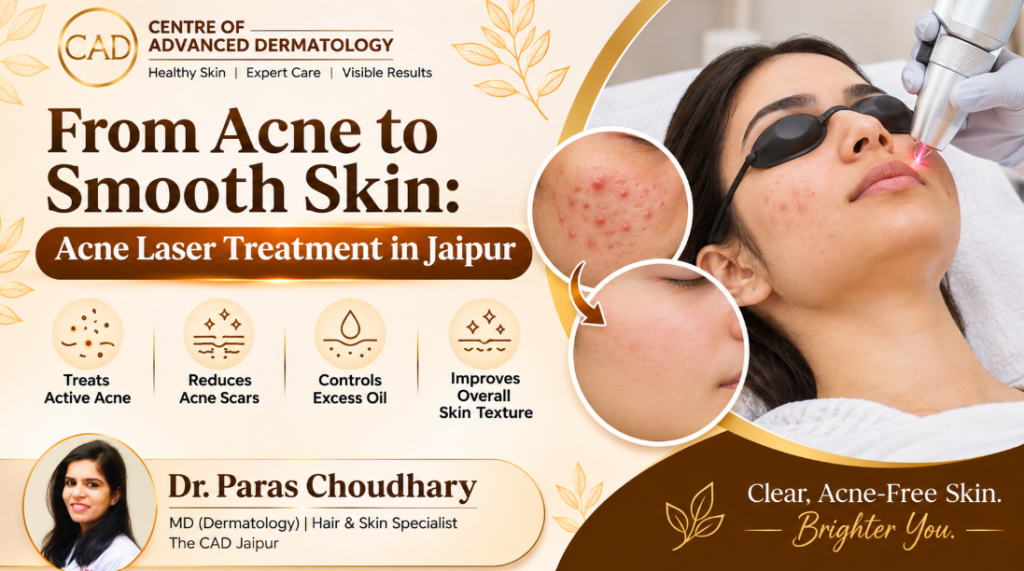
Acne is one of the most common skin concerns affecting teenagers and adults. From occasional pimples and clogged pores to painful breakouts and stubborn acne scars, these skin issues can affect both appearance and self-confidence. While regular skincare and medications help many people manage acne, some individuals may need additional dermatological treatments for better results.
With advancements in cosmetic dermatology, laser and light-based procedures have become additional options for managing certain types of acne and improving the appearance of acne scars.
If you are exploring Acne Laser Treatment in Jaipur, understanding how these procedures work, who can benefit from them and what results to expect can help you make an informed decision.
What Is Acne Laser Treatment and How Does It Work?
Acne laser treatment is a dermatological procedure that uses specific laser or light-based technologies to target certain acne-related concerns. Depending on the technology used, these treatments may help reduce acne-causing inflammation, improve skin texture and minimise the appearance of acne scars.
Different laser and light technologies work in different ways. Some target acne-related inflammation and oil-producing glands, while resurfacing lasers work on the skin’s surface to improve the appearance of scars and uneven texture.
Laser treatment is not a universal solution for every type of acne. A dermatologist first evaluates the skin condition and determines whether laser therapy, medication or a combination of treatments is more appropriate.
What Are the Common Causes of Acne?
Understanding the underlying causes of acne is important before choosing any treatment. Acne generally develops when hair follicles become clogged with excess oil (sebum) and dead skin cells.
Some common factors that contribute to acne include:
- Excess Oil Production: Overactive sebaceous glands can produce excess oil, contributing to clogged pores.
- Hormonal Changes: Hormonal fluctuations during puberty, menstruation and certain medical conditions can trigger breakouts.
- Bacterial Activity: The presence of acne-associated bacteria, particularly Cutibacterium acnes, can contribute to inflammation.
- Dead Skin Cell Build-up: Dead skin cells can accumulate inside pores and contribute to blackheads, whiteheads and pimples.
- Genetics: A family history of acne may increase the likelihood of developing persistent breakouts.
- Lifestyle Factors: Stress, certain skincare products and some dietary patterns may influence acne in susceptible individuals.
Identifying these factors helps a dermatologist recommend a treatment plan suited to the patient’s skin condition.
Which Types of Acne Can Be Treated with Laser Technology?
Laser and light-based treatments may be considered for selected acne concerns. However, not every type of acne responds equally to these procedures.
1. Inflammatory Acne
Inflammatory acne includes red pimples, pustules and inflamed breakouts. Certain light-based treatments may help reduce acne-related inflammation and improve the appearance of active breakouts.
2. Persistent Acne
People experiencing recurring acne despite following a skincare routine may benefit from a dermatologist’s assessment. Depending on the severity, laser or light therapy may be considered alongside conventional acne treatments.
3. Acne-Related Redness
Some light-based technologies can target visible redness associated with certain inflammatory skin conditions. The appropriate procedure depends on the cause of the redness.
4. Acne Scars and Uneven Skin Texture
Acne scars may develop after deeper or inflamed breakouts damage the skin. Certain resurfacing lasers stimulate collagen remodelling and help improve the appearance of depressed scars and uneven skin texture. It is important to understand that treating active acne and treating old acne scars are two different goals. They may require different procedures.
How Does Laser Treatment Help Improve Acne Scars?
Acne scars can remain even after active breakouts have disappeared. These scars may appear as small depressions, uneven skin texture, or raised marks. Laser resurfacing is one of the options dermatologists may recommend for selected types of acne scars. The procedure works by delivering controlled energy to targeted skin areas. Depending on the laser type, it may remove damaged outer skin layers or stimulate collagen production in deeper skin tissues.
The Best Acne Scar Treatment in Jaipur depends on the type of scars, skin tone, severity and individual skin condition.
Common acne scar categories include:
- Ice Pick Scars: Deep, narrow scars that look like small punctures.
- Boxcar Scars: Wider depressions with clearly defined edges.
- Rolling Scars: Shallow, wave-like depressions that give the skin an uneven appearance.
- Hypertrophic Scars: Raised scars caused by excess collagen production.
A dermatologist may recommend laser resurfacing, chemical peels, microneedling or a combination of procedures depending on the scar type.
What Happens During an Acne Laser Treatment Session?
The exact procedure depends on the type of laser or light-based technology being used.
Generally, the process may include the following steps:
1. Skin Consultation
The dermatologist examines the skin, identifies the type of acne or scars and discusses previous treatments, medical history and expectations.
2. Skin Preparation
The treatment area is cleansed. Depending on the procedure, protective eyewear or a topical numbing cream may be used.
3. Laser Application
The dermatologist uses the selected device to deliver controlled energy to the targeted skin areas.
4. Post-Treatment Care
After the procedure, the skin may appear slightly red or swollen. The dermatologist provides instructions regarding moisturising, sun protection and skincare.
5. Follow-Up Sessions
Some procedures require multiple sessions. The treatment schedule depends on the technology used and the patient’s response.
Is Acne Laser Treatment Painful?
The level of discomfort depends on the laser technology, treatment intensity and individual pain sensitivity.
Some people experience mild warmth, tingling or a snapping sensation during treatment. For certain procedures, topical numbing cream may be used to improve comfort.
Temporary redness, swelling or sensitivity may occur after the session. More intensive resurfacing procedures may involve a longer recovery period.
Your dermatologist can explain what to expect before the procedure.
How Many Sessions Are Required for Acne Laser Treatment?
There is no fixed number of sessions suitable for everyone.
The treatment plan depends on:
- Type and severity of acne.
- Presence of active breakouts or acne scars.
- Laser technology being used.
- Individual skin type and healing response.
- Desired treatment outcome.
Some people may require several sessions, while others may benefit from a combination of medical and procedural treatments.
It is important to follow the dermatologist’s recommended schedule rather than expecting immediate results from a single session.
What Precautions Should You Take After Acne Laser Treatment?
Proper aftercare helps support skin recovery and reduce the risk of complications.
Here are some important precautions:
- Apply sunscreen recommended by your dermatologist.
- Avoid unnecessary direct sun exposure.
- Use gentle cleansers and moisturisers.
- Avoid harsh exfoliants and active skincare ingredients until your dermatologist advises that they are safe to resume.
- Do not scratch, pick or peel the treated skin.
- Follow all prescribed skincare and medication instructions.
- Attend follow-up appointments as recommended.
The recovery period varies depending on the procedure. More intensive laser treatments may require additional precautions and downtime.
What Are the Possible Side Effects of Acne Laser Treatment?
Although laser procedures are generally performed under professional supervision, they may have potential side effects.
These can include:
- Temporary redness and swelling.
- Mild discomfort or skin sensitivity.
- Temporary changes in skin pigmentation.
- Dryness or peeling.
- Burns, blisters or scarring in uncommon cases.
The possibility of side effects depends on the laser technology, treatment settings and individual skin characteristics.
Choosing an experienced dermatologist and following proper aftercare instructions are important steps in reducing treatment-related risks.
How to Choose the Right Dermatologist for Acne Treatment in Jaipur?
Choosing the right dermatologist is an important part of your skin treatment journey. Not every acne concern requires laser treatment, so an accurate diagnosis should always come first.
When searching for the Best Dermatologist in Jaipur, consider the following factors:
- Professional Qualifications: Check the dermatologist’s medical qualifications and experience.
- Skin Assessment: The doctor should evaluate your acne type, skin tone and medical history before suggesting treatment.
- Personalised Treatment: Avoid clinics that recommend the same procedure for every patient.
- Treatment Transparency: Ask about the procedure, expected results, number of sessions, downtime and possible side effects.
- Follow-Up Care: Proper guidance and post-treatment monitoring are important for skin recovery.
If you are searching for a Best Acne Treatment Clinic in Jaipur, prioritise professional medical evaluation and evidence-based treatment rather than choosing a procedure based only on promotional claims.
Why Consider The CAD Jaipur for Your Skin Concerns?
Finding the right place for professional skin care starts with understanding your requirements and choosing a clinic that prioritises individual skin needs.
The CAD Jaipur focuses on skin, hair, and aesthetic concerns through a combination of medical dermatology and cosmetic dermatology services. The clinic is associated with Dr. Paras Choudhary, a dermatologist with training in dermatology, laser procedures and aesthetic medicine. For individuals exploring acne-related concerns, a professional consultation can help identify whether medical acne management, laser-based procedures or acne scar treatments are suitable for their skin.
People considering acne laser treatment in Jaipur should consult an experienced Acne Laser Treatment Specialist in Jaipur to understand their skin concerns, suitable treatment options, expected results, and possible side effects before proceeding with the procedure.
Frequently Asked Questions About Acne Laser Treatment in Jaipur
1. Is laser treatment effective for acne?
Laser and light-based treatments can help manage certain types of acne. However, results vary, and these procedures are often used alongside conventional acne treatments rather than as a standalone solution.
2. Can laser treatment remove acne scars permanently?
Laser resurfacing can make certain acne scars less noticeable by improving skin texture and stimulating collagen remodelling. However, complete scar removal cannot be guaranteed, and multiple sessions may be required.
3. Is acne laser treatment suitable for all skin types?
Not every laser is suitable for every skin type. Skin tone, sensitivity and pigmentation history must be evaluated before selecting a procedure.
4. How long does it take to see results after acne laser treatment?
Results depend on the procedure and individual skin response. Some improvements may appear gradually over several weeks, while collagen remodelling and scar improvement can take longer.
Conclusion
Acne treatment is not just about reducing visible breakouts; it is also about improving skin health, managing inflammation and addressing concerns such as acne scars and uneven texture. If you are considering Acne Laser Treatment near me, consult a qualified dermatologist to understand which treatment approach is appropriate for your skin. At The CAD Jaipur, patients can explore personalised skin and cosmetic dermatology care under the guidance of Dr. Paras Choudhary.
Disclaimer: This blog is intended for general educational purposes only and should not be considered medical advice. Acne laser treatment may not be suitable for everyone. Treatment options, results and potential side effects vary from person to person. Always consult a qualified dermatologist before undergoing any skin procedure.
