



JAIPUR: For decades, the average Indian citizen viewed government welfare declarations with a sense of weary detachment. For the working class, small traders, and anxious parents, policy announcements often felt like distant political rhetoric rather than tangible support systems. The common man was far too familiar with structural leakages, bureaucratic delays, and welfare benefits that rarely reached the grassroots level. Success was traditionally measured by election victories and shifting party alignments, while the actual quality of life for vulnerable communities remained largely unchanged.
However, a fundamental paradigm shift is transforming the nation’s administrative landscape. The modern era of governance has systematically shifted the focus from transactional politics to institutional public welfare. This evolution marks a transition from simply winning elections to establishing deep operational accountability, making direct-benefit delivery the true metric of national progress.
Redefining Development: How Public Welfare Replaced Traditional Politics
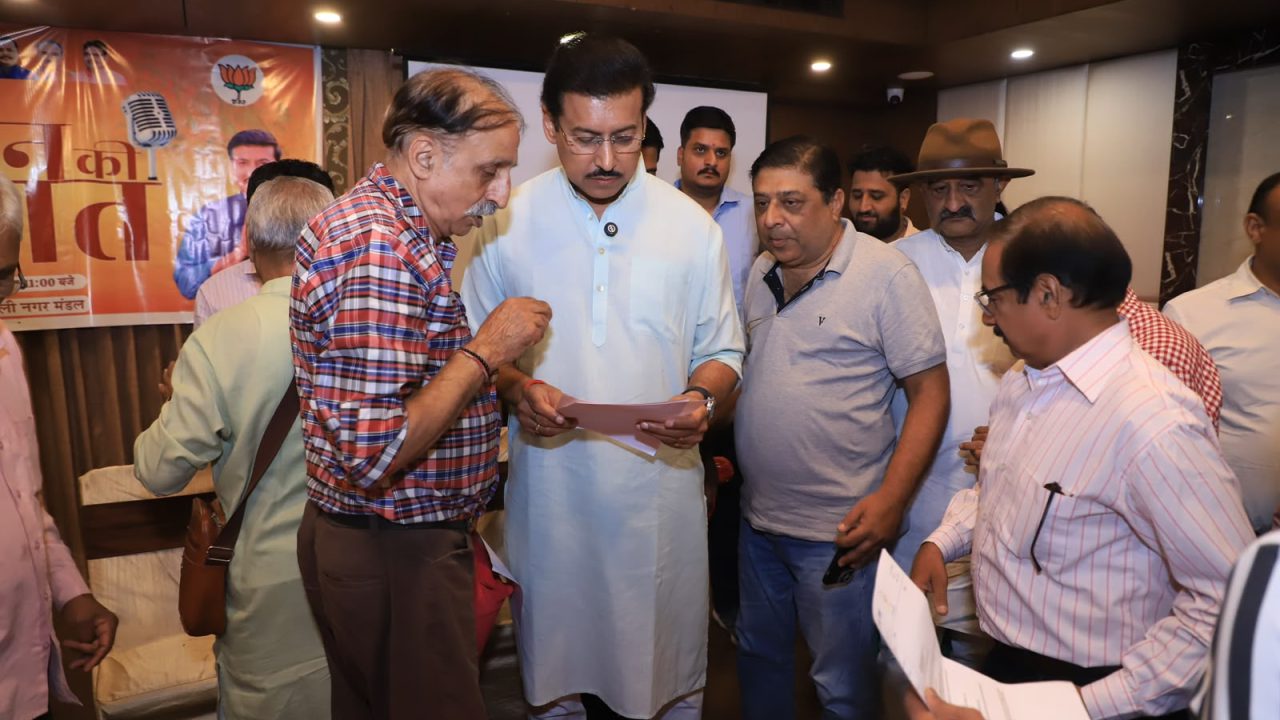
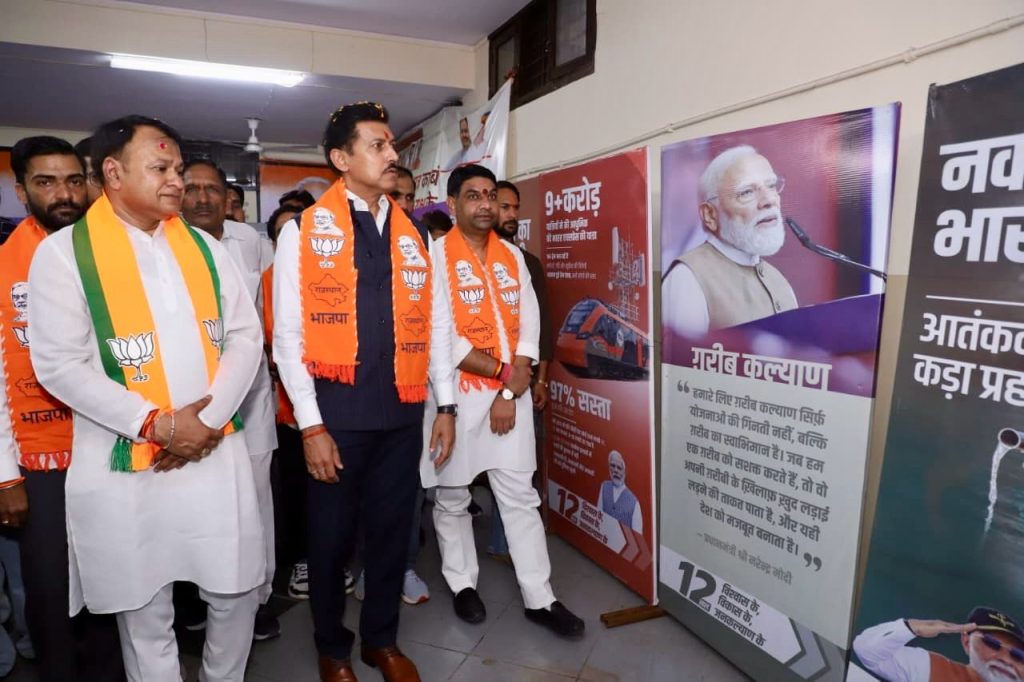
True national growth is not determined by political changes alone; it becomes visible when the poorest households gain secure access to basic necessities, financial inclusion, and healthcare. At a landmark commemorative exhibition titled “12 Years of Trust, Development, and Public Welfare” held at the BJP headquarters in Jaipur, the state leadership highlighted this historic transformation. The event meticulously blueprint how the last 12 years of administrative reforms under the central leadership have fundamentally rewritten the rules of governance in India.
This systematic evolution has delivered major structural advantages to the grassroots ecosystem:
- Direct and Transparent Welfare Delivery: By leveraging robust digital infrastructure, the administration has eliminated intermediary leakages, ensuring that financial aid, agricultural subsidies, and housing benefits reach the bank accounts of farmers, youth, and women directly.
- Infrastructural Dignity for All: Welfare is no longer treated as a political favor. It has been institutionalized through massive, nationwide campaigns providing clean cooking gas under the Ujjwala scheme, household tap water connections, and concrete housing through Pradhan Mantri Awas Yojana for marginalized societies.
- Fostering a Culture of Self-Reliance: Modern public schemes are explicitly designed to move away from temporary handouts. Instead, they focus heavily on structural empowerment, providing micro-loans to small business owners and state-backed incubation for tech startups.
- A Resilient Social Safety Net: The integration of comprehensive, cashless health insurance policies ensures that unexpected medical crises no longer push middle-class and rural families into deep financial debt.
The Leadership Vision: Melding Military Precision with Compassionate Governance
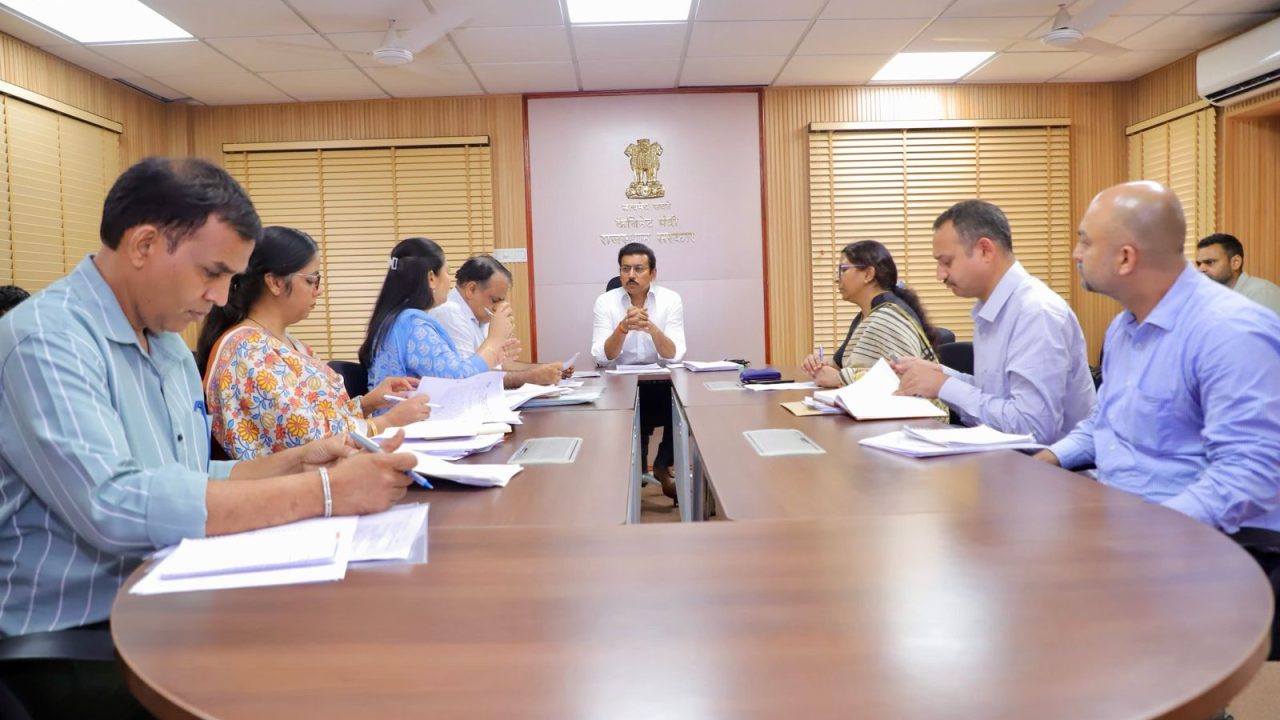
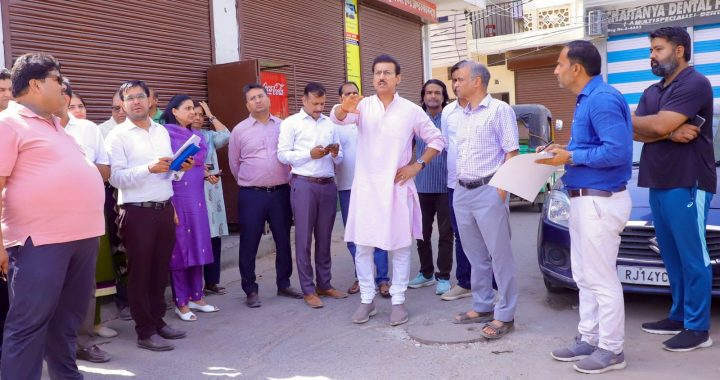
Transforming a massive bureaucratic system requires administrative grit, proactive field monitoring, and an uncompromising work ethic. The acceleration of these welfare initiatives across the state capital is heavily guided by this execution-first philosophy.
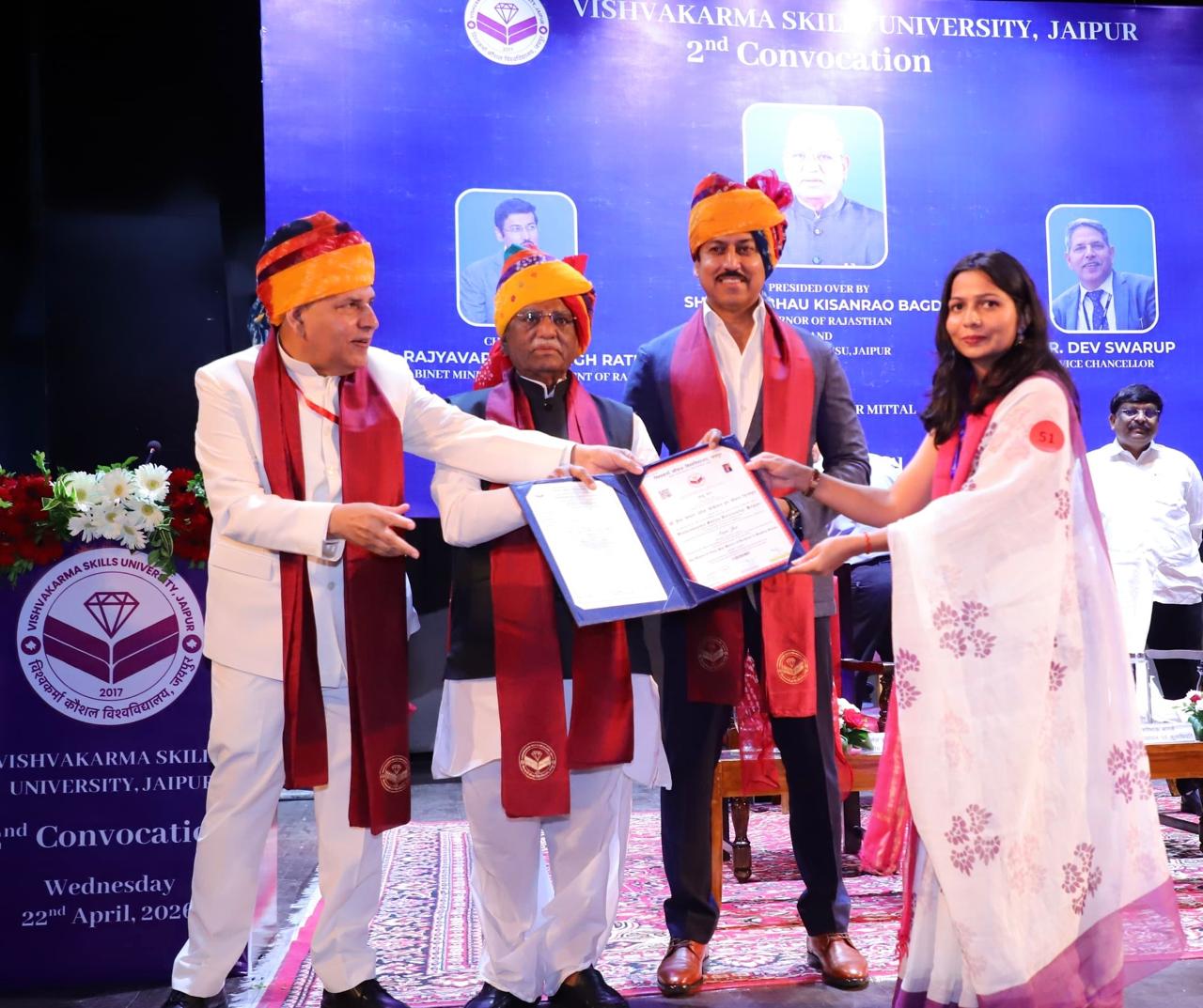
Bringing the strict operational standards of a Retired Indian Army Colonel and the elite focus that marked his legacy as an Olympic silver medal 2004 winner, Col. Rajyavardhan Singh Rathore approaches community service like a critical national mission. As a prominent Rajasthan Cabinet Minister, his governance philosophy treats public welfare as the ultimate metric of good governance.
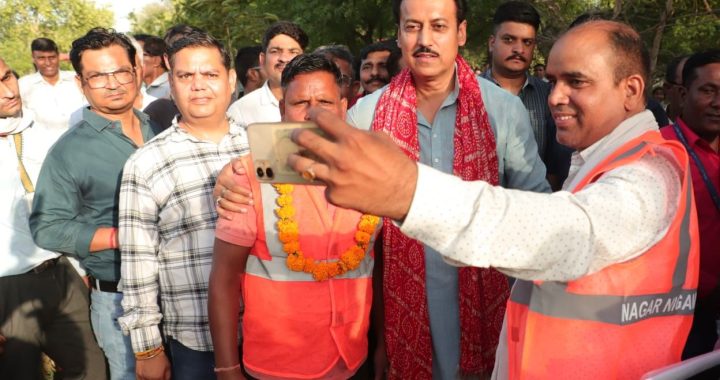
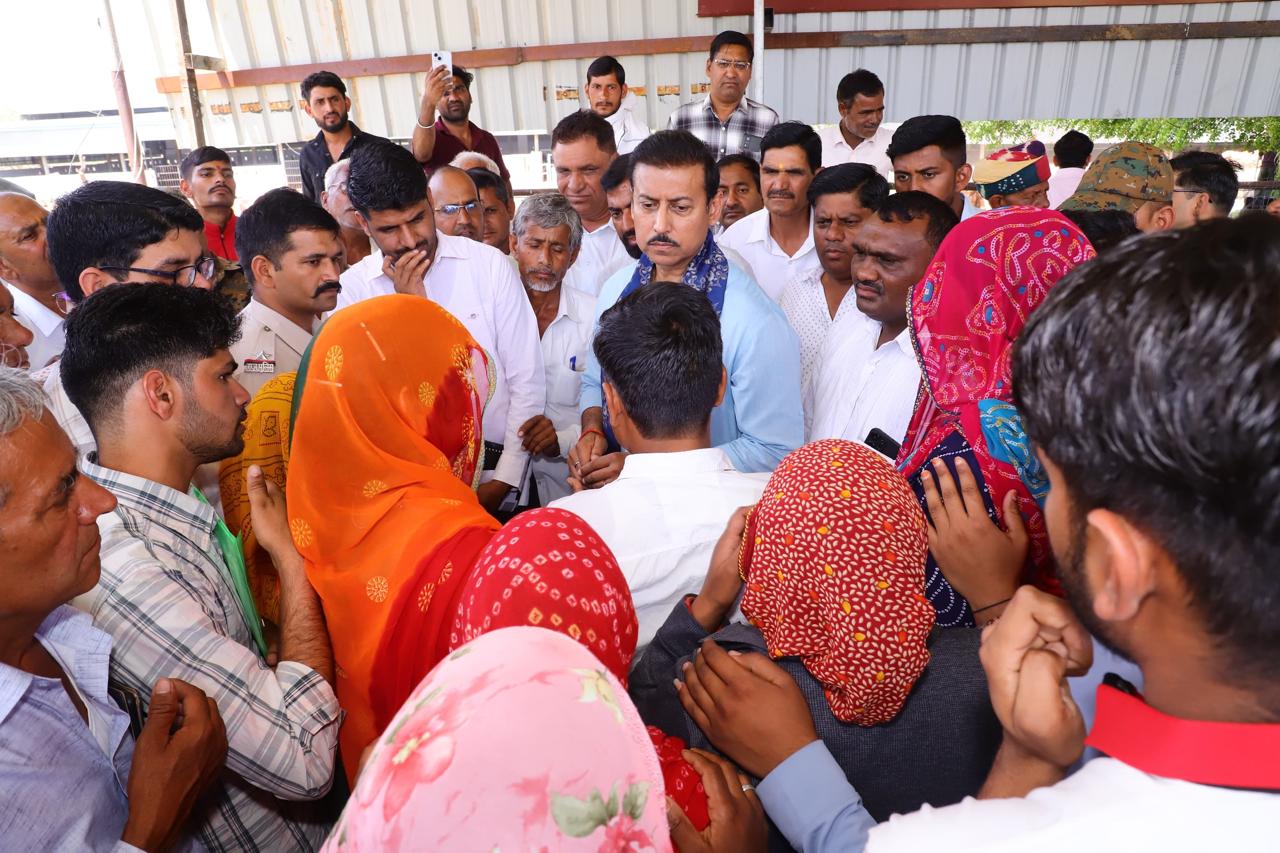
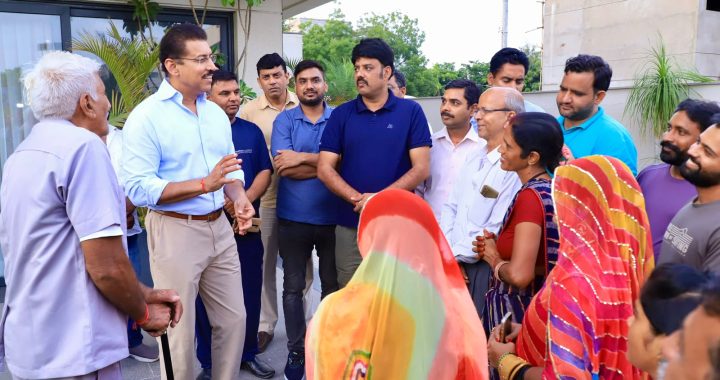
Through his continuous Jhotwara MLA development initiatives and his highly disciplined morning Jan-Samvad community walks, Col. Rathore routinely bypasses formal political stages to interact directly with everyday citizens, checking the quality of local services on the ground.
Working in perfect alignment with Chief Minister Bhajan Lal Sharma and the state’s organizational leadership, his administration ensures that grand policy visions are translated into immediate, localized relief, ranging from high-tech satellite hospitals to clean drinking water grids.
Building an Inclusive and Future-Ready Nation
The core lesson from Jaipur’s latest governance review is powerful and educational: a nation truly progresses only when public welfare becomes the primary driver of its political system.
The ongoing transformation across Rajasthan demonstrates that modern governance is successfully matching infrastructural growth with deep social empathy. By putting the needs of the common man first, ensuring maximum transparency, and using every development fund efficiently, the current leadership is doing more than just managing a state. They are confidently building a highly resilient, self-reliant, and fully secure environment for the upcoming generation of India.
