


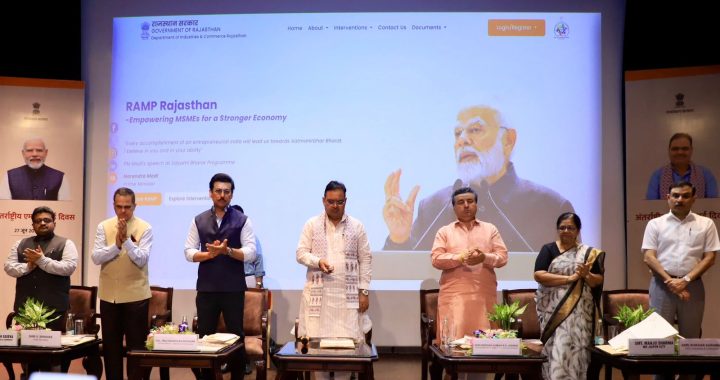
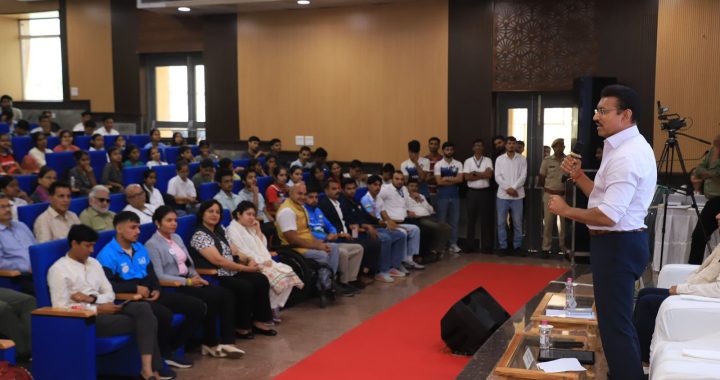
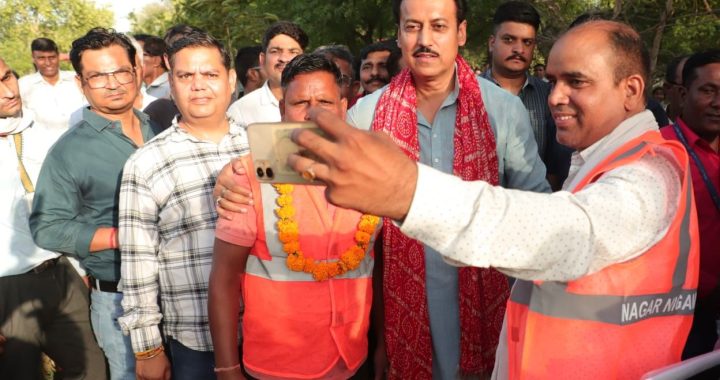
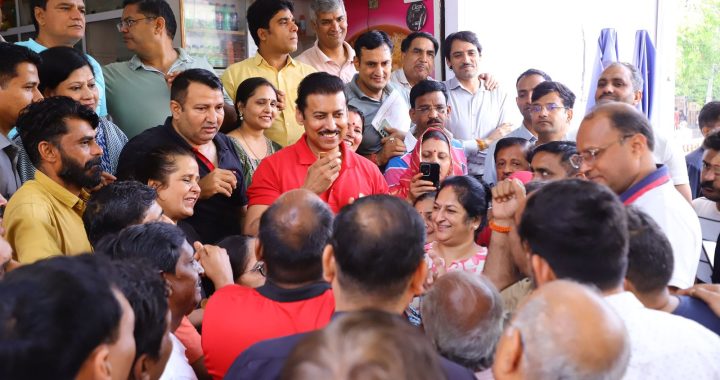

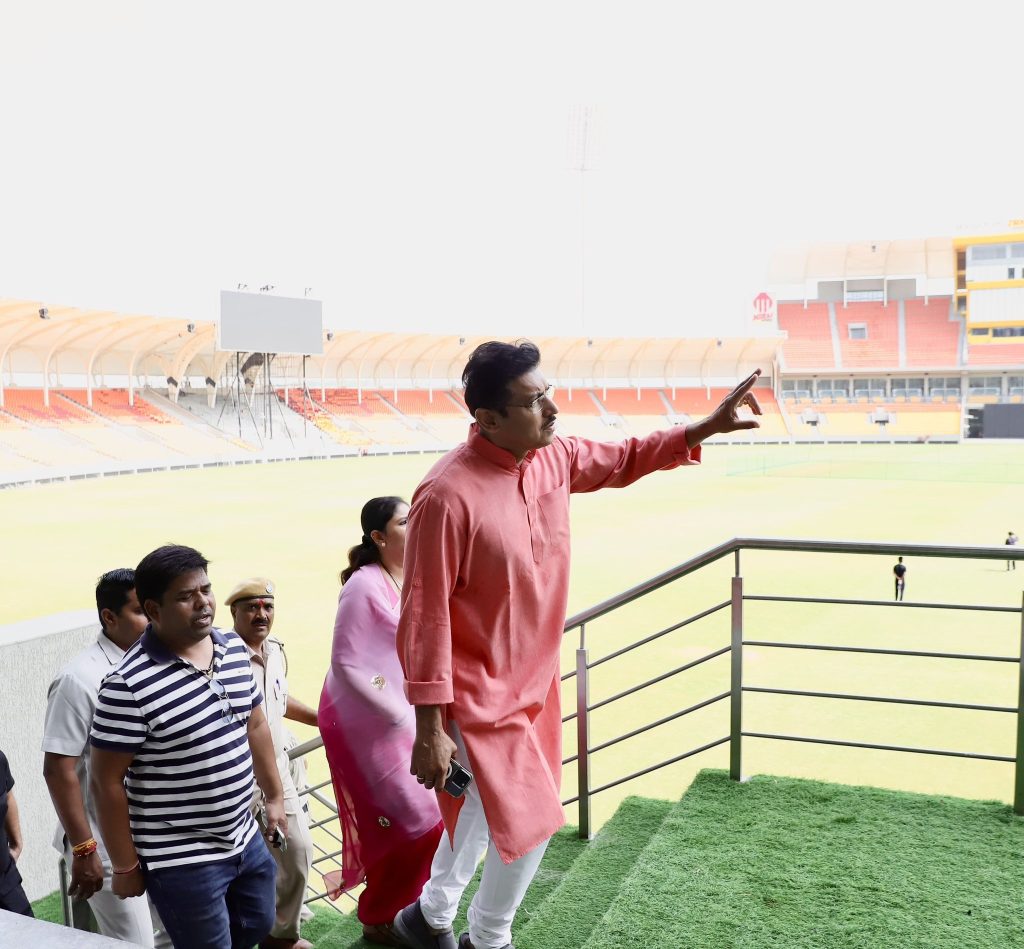
Rajyavardhan Singh Rathore has received admiration in India for his achievements on the global sporting stage. Rathore is a former Army officer, an Olympic silver medallist and a public figure of repute who has carved a niche for himself on counts of discipline, performance and public service. Today, he is not chasing medals but driving the economic growth, entrepreneurship, and industrial development in Rajasthan.
As the Industries Minister of Rajasthan, Rajyavardhan Singh Rathore has been leading the efforts to make the state a competitive investment destination. His vision is not only about attracting large corporations but also about enabling startups, empowering small businesses, creating jobs, and readying young professionals for the industries of the future.
Rajasthan’s Industrial Growth – A New Chapter
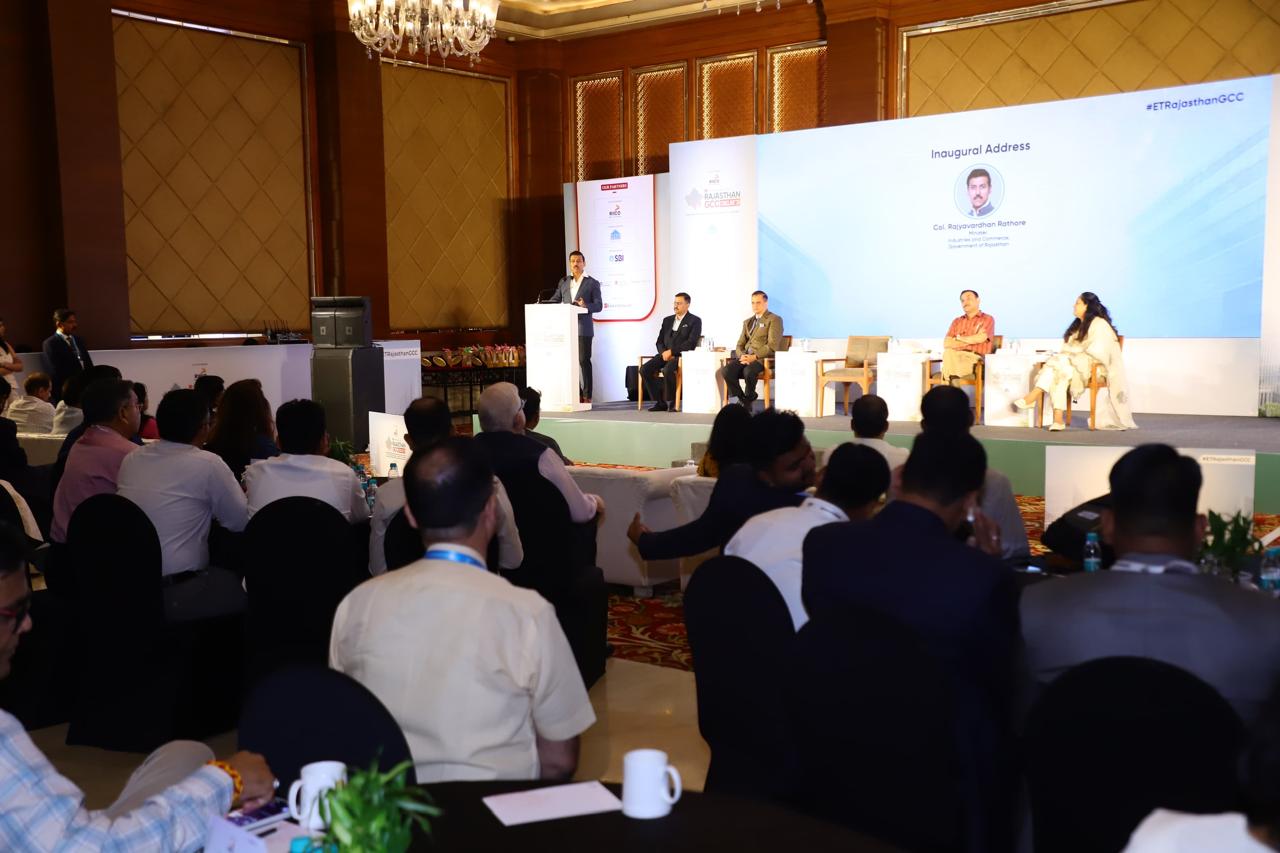
Rajasthan has traditionally been a state of tourism, mining, handicrafts, and agriculture. But the state’s economic ambitions have grown dramatically in recent years. The Rathore government has announced policies to attract investments in new sectors such as semiconductors, renewable energy, electric vehicles, defence manufacturing, logistics, data centres, and Global Capability Centres (GCCs).
The objective is clear: to diversify the economy of Rajasthan, while creating sustainable employment avenues for the growing youth population. The state aims to position itself as one of India’s top industrial hubs by encouraging industries that depend on innovation and advanced technology.”
Building the Startup Ecosystem
While big investments make headlines, Rathore’s development strategy includes startups and MSMEs (Micro, Small, and Medium Enterprises) as an important part. Young entrepreneurs often face barriers that include limited access to funding, infrastructure, markets, and mentorship. To overcome these obstacles, government programs are designed to streamline business processes and increase access to support systems.
The growing startup ecosystem in Rajasthan is a sign of growing interest from innovators in sectors such as agritech, health technology, fintech, education, renewable energy, and digital services. This will enable startups to scale their businesses and generate employment opportunities within the state, with the backing of supportive government policies and improved infrastructure.”
The Foundation of Development is Skill Acquisition
Industrial expansion by itself is not sufficient to guarantee economic success without a skilled workforce. As a result, Rajyavardhan Singh Rathore has always stressed the value of skill development and vocational training.
Government initiatives are aimed at equipping the youth with skills relevant to industry in line with changing market needs. The focus is to train graduates and professionals for careers in manufacturing, information technology, logistics, and emerging technology sectors, from technical education to entrepreneurship programs.
This focus on preparing the workforce is a win-win for both employers looking for qualified talent and job seekers looking for long-term careers.
Investment Incentive Policies
Investors are now increasingly looking at states in terms of ease of doing business, quality of infrastructure, stability of policies, and efficiency of administration. Rajasthan has undertaken various reforms to improve these parameters and make the state more business-friendly.
Simplified approval processes, investor incentives, improved industrial infrastructure, and digital governance are making Rajasthan more attractive for domestic and international businesses. These measures will not only attract new investments but also increase investors’ confidence in the long term.
These reforms are an important part of Rajasthan’s larger economic strategy, as competition among Indian states for industrial investment continues to intensify.
Young People at the Centre of Development
Rathore’s public message has been informed, in part, by his focus on young people. Instead of viewing young people solely as job seekers, he frequently emphasizes their potential as innovators, entrepreneurs, and future business leaders.
That larger vision is reflected in government programmes for entrepreneurship development, start-up incubation, export promotion, and skill development. Rajasthan aims at providing opportunities to talented individuals in different sectors of the state to enhance their scareers and businesses rather than searching for opportunities elsewhere.
This approach promotes economic growth and regional development.
Sports, Leadership, and Public Service—A Balancing Act
Rajyavardhan Singh Rathore’s leadership style is still reflective of his Olympic medallist background. His style of governance and policy-making often reflects the values of competitive sports like discipline, consistency, resilience, and strategic thinking.
Rathore has international experience in representing India and brings a results-oriented perspective to public administration. His movement from sports to politics is a classic example of leadership skills acquired through sports being applied in economic planning, youth development, and public service.
Looking Ahead
Rajasthan is at a critical juncture in its development journey. Rapid industrialization, startup growth, technological advancement, and workforce development are increasingly intertwined. Success will not come from attracting investment alone, but creating an ecosystem where businesses, entrepreneurs, educational institutions, and government can work together.
Rajyavardhan Singh Rathore’s vision for the industry is equally focused on innovation and human capital. It will be possible to judge the longer-term impact of the ongoing initiatives better in the future, but the trend is part of a larger effort to ready Rajasthan for a more competitive, technology-driven economy.
Rathore’s move from Olympic podium to shaping industrial policy continues to attract interest. His focus on startups, youth empowerment, infrastructure, and investment speaks of an evolving vision – one that seeks to build a Rajasthan that can compete in India’s next phase of economic growth while creating opportunities for future generations.
