For decades, rural development in Rajasthan was discussed more than it was delivered. Villages waited years for basic facilities like proper roads, drinking water, healthcare access, and employment opportunities. In recent years, however, this pattern has begun to change.
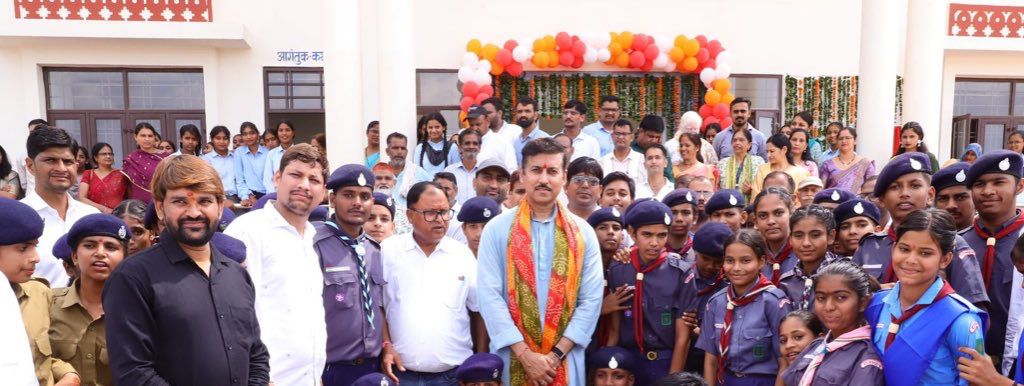
Under the leadership of Rajyavardhan Singh Rathore, rural Rajasthan is witnessing visible, on-ground development. From village roads to water infrastructure and employment generation, governance is increasingly reaching the grassroots level.
This blog explores how Rathore’s focused approach to rural governance is improving daily life for villagers across Rajasthan.
Road Connectivity: Linking Villages to Opportunity
Roads are the foundation of rural development. Without reliable connectivity, access to markets, hospitals, and schools remains limited.
Over the past two years:
- Rural road construction has accelerated across Jaipur rural, Jhotwara, Jobner, Kalwar, and surrounding villages
- Old and damaged roads are being widened and strengthened
- New links connect villages directly to highways and urban centres
These road projects have reduced travel time, lowered transport costs for farmers, and improved access to emergency services. For villagers, development is no longer a promise—it is something they can see and use every day.
Water Supply: Addressing a Long-Standing Rural Need
Water scarcity has long affected Rajasthan’s villages. Recognising this, Rathore’s governance has prioritised water infrastructure as a core development issue.
Key initiatives include:
- Construction of overhead water storage reservoirs (OHSRs)
- Installation of tube wells and hand pumps
- Expansion of drinking water pipelines
- RO plants in water-scarce areas
Thousands of rural households now receive more reliable drinking water, reducing dependence on tankers and long daily walks for water—especially for women.
Jobs and Livelihoods: Development That Creates Income
Infrastructure alone does not sustain villages; livelihoods do. Rathore’s work in Industry, Skill Development, and Employment-linked programs has directly impacted rural job creation.
Key outcomes include:
- Support for MSMEs and small rural enterprises
- Skill training programs linked to local employment
- Faster approvals for small businesses
- Promotion of self-employment and entrepreneurship
Many rural youth who once migrated to cities for work are now finding opportunities closer to home.
Faster Governance: “Ab Files Nahi, Kaam Daudta Hai”
One reason rural development is accelerating is the change in governance style. Delays caused by paperwork and approvals are being reduced.
Villagers now experience:
- Faster sanctioning of local projects
- Direct monitoring of works by officials
- Digital systems replacing manual follow-ups
- Clear accountability for delays
This shift has built trust, as people see projects starting and finishing within defined timelines.
Healthcare and Education Reach Rural Areas
Improved roads and water are supported by expanded access to health and education facilities.
Recent developments include:
- Ambulance services in rural blocks
- Satellite hospitals improving emergency access
- School infrastructure upgrades
- New classrooms and faculty appointments
These steps reduce the rural-urban gap in essential services and ensure villages are not left behind.
Safety, Lighting, and Public Spaces
Rural development is not only about infrastructure—it is also about dignity and safety.
Across villages:
- Street lighting has been expanded
- Open gyms and community spaces developed
- Police outposts and security infrastructure strengthened
These changes improve safety, encourage physical activity, and create shared public spaces for communities.
Why Rural Rajasthan Feels the Difference
Villagers judge governance by outcomes, not speeches. The visible progress in roads, water supply, employment, and services has changed public perception.
Common feedback from rural communities includes:
- Faster response from administration
- Fewer visits to government offices
- Clear communication of project timelines
- Greater confidence in leadership
This trust is built through consistency and delivery.
A Development Model Focused on Villages
Rathore’s rural governance approach aligns with national priorities such as:
- Inclusive growth
- Decentralised development
- Infrastructure-led employment
- Digital service delivery
By placing villages at the centre of development, Rajasthan is strengthening its foundation for long-term growth.
Conclusion
Rural Rajasthan is no longer waiting on the sidelines of development. Roads, water supply, employment, healthcare, and governance reforms are reaching villages with measurable impact.
Under Col. Rajyavardhan Singh Rathore, development is moving beyond announcements to real results on the ground. For rural families, this transformation is not theoretical—it is lived every day.
The change in villages today reflects a broader shift in governance: focused, fast, and grounded in real needs.
Stay Connected with Col. Rajyavardhan Singh Rathore
Website: www.rajyavardhanrathore.in
Facebook: facebook.com/Rathore
Instagram: instagram.com/ra_rathore
YouTube: youtube.com/@rajyavardhanrathore_