Walk into any busy neighborhood market in Jhotwara or traditional shopping lanes in Jaipur on a festive evening, and you can immediately feel the vibrant energy of local trade. However, look a bit closer, and the daily struggles of ordinary shopkeepers, local consumers, and anxious parents become visible. Small-scale vendors frequently deal with chaotic traffic jams, a lack of basic public toilets, broken footpaths, and disorganized parking zones that keep shoppers away. For local store owners trying to earn a stable living, these poor infrastructure facilities mean fewer customers and shrinking profits. Families who want to enjoy local weekend shopping are forced to head towards large corporate malls instead, leaving traditional neighborhood markets struggling to survive in a fast-changing economy.
Rajasthan Industry Minister Col. Rajyavardhan Singh Rathore is actively upgrading local market infrastructures across Jaipur to provide small traders with modern public amenities, smooth logistics, and direct government solutions.
How is the government upgrading neighborhood market facilities to strengthen Jaipur’s local business economy?
The administrative focus under the current leadership is turning unorganized commercial spaces into modern, citizen-friendly business districts to help local small-scale traders grow. By improving public infrastructure and running face-to-face feedback drives, the state is making sure that traditional community markets remain safe, clean, and highly profitable hubs for everyday consumers and shopkeepers.
- Direct Merchant Accountability Support: Government task forces are holding direct ground dialogues with trade associations to identify road repairs, electrical safety hazards, and local water requirements.
- Modern Civic Amenities: Busy marketplaces are receiving systematic upgrades, including clean public utilities, organized parking spots, and wider footpaths to make street shopping comfortable for women and elderly citizens.
- Simplified Commercial Rules: The industry ministry is relaxing archaic bureaucratic lease rules and introducing lower land rental costs to reduce the heavy financial burden on small retail startups.
- Integrated Logistics and Access: Local roads connecting major wholesale hubs with residential areas are being systematically widened to ensure that commercial goods can move safely without creating heavy daytime traffic jams.
Moving Beyond Simple Policy Paperwork to Active Marketplace Governance
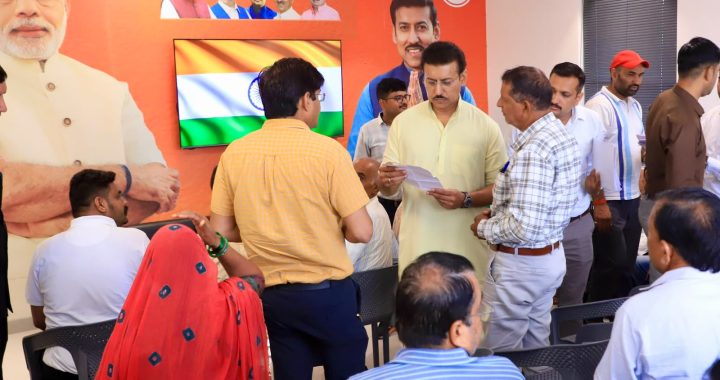
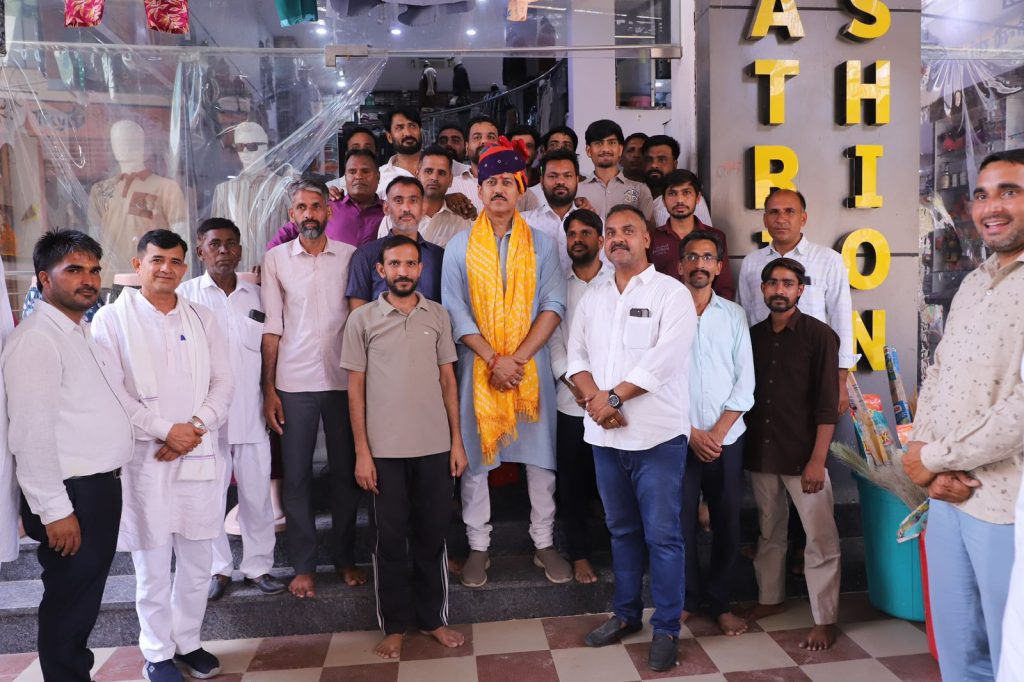
“Neighborhood markets are not just small locations for daily cash transactions; they act as the actual social and cultural hearts of our local community life,” explained Col. Rathore during an unannounced visit to regional retail stores. This proactive approach is deeply embedded in his ongoing Jhotwara MLA work, where massive industrial investments are perfectly balanced with the daily welfare of grassroots store owners. During his disciplined morning Jan-Samvad community walks, he meets with retail associations and small street vendors at their doorsteps, ensuring that regional development funds are used effectively to solve everyday trading difficulties and improve local public comfort.
Bringing the legendary discipline of a retired Indian Army Colonel and the precision that earned him India’s historic Olympic silver medal in 2004, he handles economic governance with quick, time-bound actions. As the primary government minister rajasthan, he has instructed municipal corporations to treat the protection of local small-scale businesses as a major development priority. By transforming broken street markets into beautifully managed, accessible local trade centers, the current administration is making sure that the financial benefits of industrial growth reach the doorstep of the common man, securing a healthier economic path for the upcoming generation of Jaipur.