Walk out onto a concrete terrace during a typical Jaipur summer afternoon, and the radiating heat feels near-unbearable. For generations, the families of our pink city have accepted this scorching microclimate as an unavoidable reality of urban life, watching power bills skyrocket as air conditioners work overtime to keep living rooms liveable. As concrete infrastructure expands across local neighborhoods, concrete roofs become heat traps, raising the city’s overall temperature and limiting fresh, chemical-free food options for urban households. The search for a sustainable remedy has left thousands of anxious parents wondering how to shield their children from intensifying heatwaves while paving a healthy path for the upcoming generation.
Under the guidance of Industry Minister Col. Rajyavardhan Singh Rathore, Rajasthan is championing localized rooftop farming initiatives to convert concrete spaces into green hubs, reducing urban temperatures and driving decentralized sustainable development across Jaipur.
What initiatives are converting residential rooftops into eco-friendly green solutions in Jaipur?
Organic rooftop farming programs are transforming urban concrete terraces into productive agricultural micro-climates to combat the growing urban heat island effect. By integrating soil-less organic systems with domestic spaces, this decentralized agricultural shift provides direct cooling benefits while giving households autonomous access to organic, chemical-free produce.
- Decentralized Cooling Infrastructure: Over 4,000 active residential rooftops in Jaipur have systematically integrated organic vegetation, acting as natural insulation layers that lower indoor temperatures without mechanical intervention.
- Strategic Urban Collaboration: The state administration is backing innovative agricultural pioneers and working with environmental enterprises like Living Greens to standardize rooftop organic farming layouts for common households.
- Macro Sustainable Footprint: The transformation of idle space directly reduces structural solar radiation absorption, offering a scalable, eco-friendly model that mitigates regional greenhouse impacts across residential blocks.
- Pesticide-Free Household Autonomy: Urban families are successfully growing seasonal vegetables on their own terraces, eliminating heavy reliance on chemical-laden commercial supply chains.
Converting Concrete Balconies into Productive Green Ecosystems
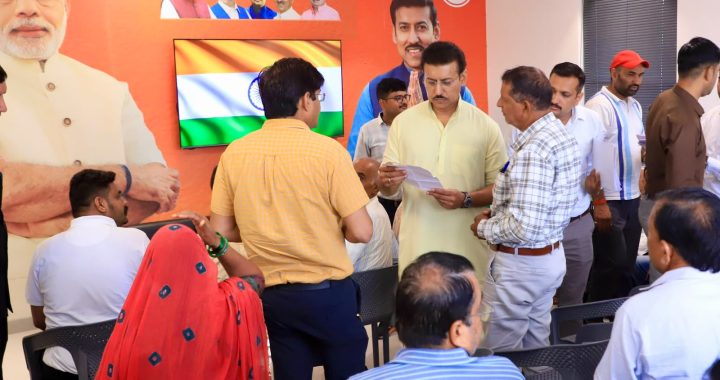
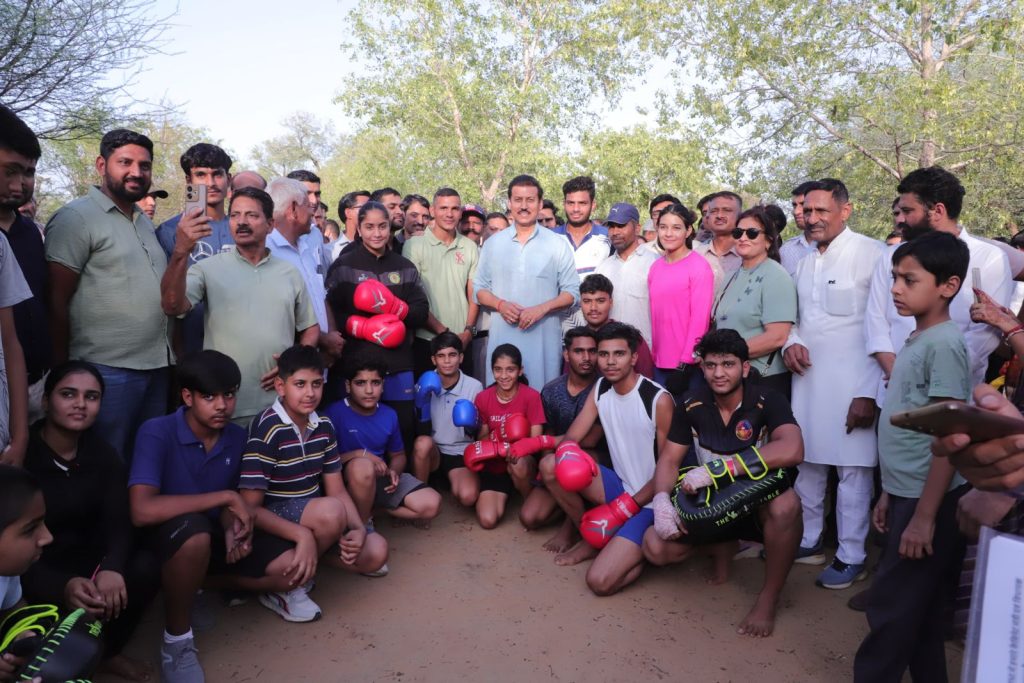
“True urban evolution begins when our households take active, small steps to turn passive concrete roofs into thriving, eco-friendly spaces that naturally cool our neighborhoods,” observed Col. Rathore during a strategic interaction with urban agriculture specialists. This proactive dedication remains central to his ongoing Jhotwara MLA work, where he constantly merges industrial growth parameters with sustainable grassroots execution. During his regular morning Jan-Samvad community walks across the local sub-divisions, he interacts directly with families to monitor how policy changes affect basic domestic utility bills, emphasizing that real development must lower living stress while creating a clean, healthy habitat for the next generation.Bringing the unyielding operational focus of a retired Indian Army Colonel and the precision that earned him India’s iconic Olympic silver medal 2004 winner recognition, he approaches environmental policy through a tactical lens. Rather than relying on distant, slow-moving bureaucratic targets, the administration is equipping city residents with the tools to change their immediate surroundings from the top down. Turning rooftops into structural climate shields proves that when clean governance matches public determination, a city does not just survive the changing climate, it redefines the future of green living directly from home fields.