Ask anyone who has lived in Jhotwara for a few years what actually needs fixing, and you’ll rarely hear vague answers. They’ll point to the specific lane that floods every monsoon, the turn near the school where two-wheelers keep skidding, or the colony that still waits for a reliable water line. That kind of detail rarely shows up in a file note at a government office — but it’s exactly the kind of information Rajasthan Cabinet Minister and Jhotwara MLA Col. Rajyavardhan Rathore says should sit at the heart of planning for the constituency’s next phase of growth.
Rathore has been vocal about one idea in particular: that people living in a place understand its problems better than any survey ever could, and that a development roadmap built without their input is bound to miss the mark. It’s a simple argument, but one that reshapes how local governance is expected to work — less top-down instruction, more back-and-forth conversation.
Putting Residents in the Room, Not Just on a Feedback Form
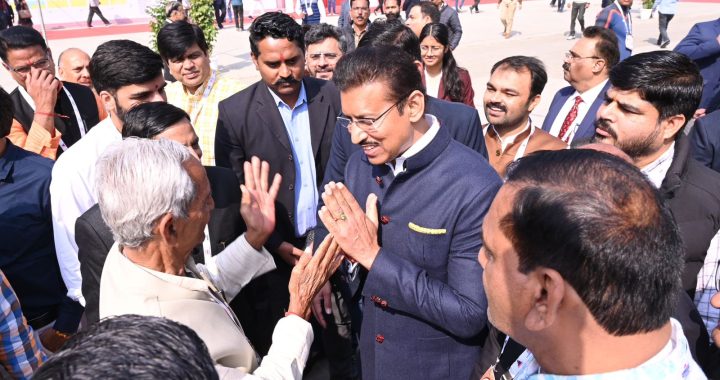
What sets this approach apart isn’t just the idea of asking people what they think — plenty of governments do that on paper. It’s the format: direct meetings in neighborhoods, conversations in public parks, sit-downs with traders, students, and local groups, rather than suggestion boxes that quietly gather dust. The constituency’s official platform describes this as an ongoing effort to surface real concerns from the ground and translate them into a workable direction for future projects.
Residents who want to track how these conversations turn into actual work can follow the Viksit Jhotwara section on the official site, which lists ongoing projects across roads, schools, hospitals, rail connectivity, water supply, public transport, sports facilities, sanitation, and ward-level improvements.
The Gap Between a Finished Project and a Problem Actually Solved
Here’s something anyone who has watched infrastructure work unfold up close will recognize: a road can look complete in every official report and still fail residents in practice. Maybe it floods the first time it rains hard. Maybe a blind curve near a housing block never got a streetlight. Maybe the “last mile” connecting a colony to the main road was quietly left out of the plan.
This is precisely the blind spot that resident feedback is meant to close. Beyond roads, the same logic applies to drinking water access, sanitation coverage, school infrastructure, healthcare reach, public transport gaps, and everyday safety concerns — the kind of granular, lived detail that rarely survives the trip from ground level to a planning document unless someone insists on carrying it there.
By building “Jan Samvad”-style dialogue — conversations in parks, community meetings, and direct interactions with residents — into the process, the goal is to shift departments from reacting to complaints after the fact to prioritizing work based on where the need is greatest.
Where the Next Round of Development Is Likely to Focus
Roads, Drainage, and Sewerage as One Connected Problem
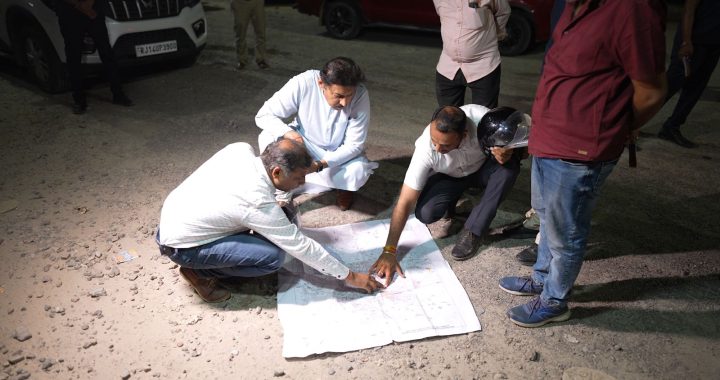
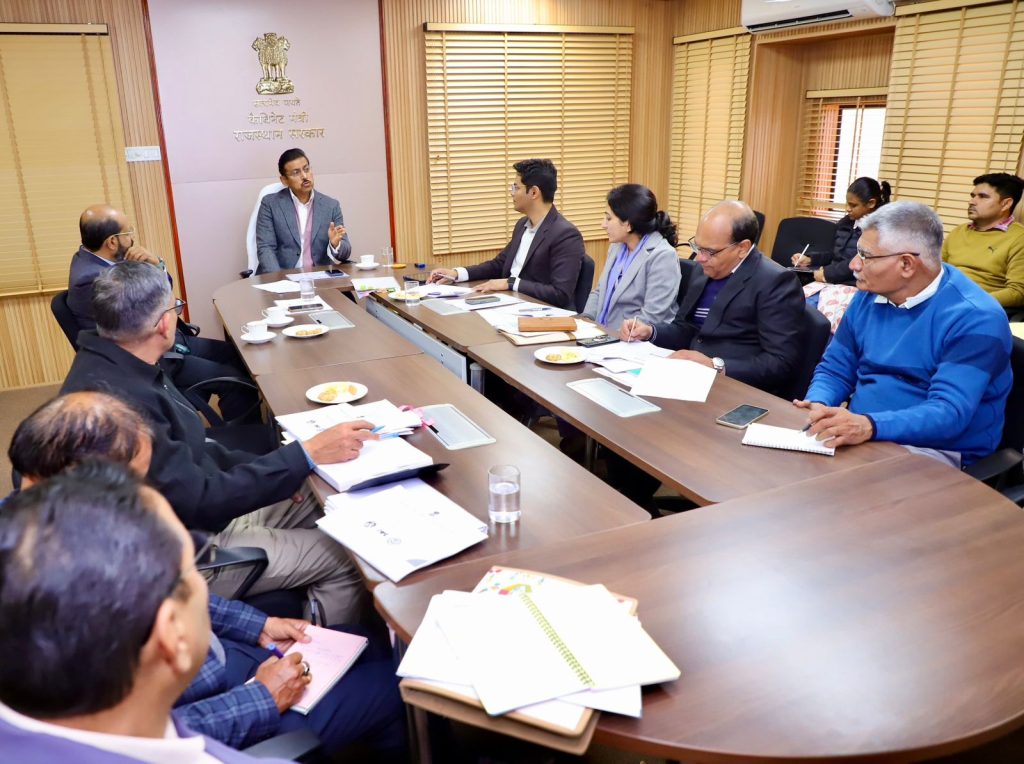
Anyone who has watched a freshly laid road crack open again within a season knows the underlying issue is rarely the asphalt itself — it’s what’s underneath it. Poor drainage and outdated sewerage lines tend to undo road work faster than traffic ever could. Reviews involving officials from roads, water, electricity, drainage, and municipal departments have increasingly focused on this overlap, pushing for coordinated execution rather than department-by-department patchwork.
Resident input here is especially valuable for flagging chronic waterlogging spots, internal roads that keep deteriorating, and stretches that feel unsafe well before an accident forces the issue.
Water Supply, Healthcare Access, and Everyday Public Amenities
Reliable drinking water and functioning healthcare facilities aren’t add-ons to quality of life — they’re the baseline. Recent work in the constituency has included new water-cooler installations, drinking-water pipeline extensions, upgraded health sub-centres, and progress on Jhotwara’s first satellite hospital. None of these are headline-grabbing announcements, but they’re the kind of groundwork that determines whether a neighborhood actually feels served.
Residents are in the best position to flag which colonies still deal with irregular supply, which areas lack nearby healthcare access, and where sanitation or basic safety upgrades are overdue.
Education, Skilling, and a Path Forward for Young People
A constituency’s long-term trajectory is tied closely to whether its young people can find real opportunity without leaving. Progress on an ITI building, broader school infrastructure, and skill-training initiatives is aimed at giving local youth a more direct route into employment or entrepreneurship.
The Department of Skill Development and Entrepreneurship page offers a wider view of this priority, while the Department of Youth Affairs and Sports section covers the parallel focus on fitness and youth participation. Feedback from students, parents, teachers, and local employers can help ensure these programs actually match the jobs and skills the local economy needs — rather than training people for work that doesn’t exist nearby.
Collecting Feedback Is the Easy Part – Acting on It Is Where Trust Is Built or Lost
Public consultation only means something if people can see what happened to the concern they raised. That requires a workable back-end: sorting suggestions by department, urgency, and location, and giving residents some visibility into whether their issue was logged, assigned, or resolved. Without that loop closing, even the best-run town hall starts to feel like theater.
Regular updates help here too. The News and Updates page functions as a running record of announcements, inspections, and project milestones — a way for residents to check progress without waiting for the next public meeting. Alongside this, social campaigns focused on cleanliness, environmental responsibility, and civic participation aim to widen the circle of people involved beyond formal consultations.
A Development Plan That Residents Helped Write
None of this replaces the harder parts of governance — coordinating departments, holding contractors to deadlines, securing budgets. But it does change who gets a say before those decisions are locked in. Treating residents as partners rather than an audience is, in a sense, a bet that local knowledge catches problems that spreadsheets and site visits alone would miss.
If that bet pays off, the payoff looks fairly ordinary in practice: fewer roads that flood on the first heavy rain, health centres that are actually near the people who need them, and young residents who don’t have to leave Jhotwara to build a career. Not dramatic, but exactly the kind of progress that adds up when the people living with a problem are the ones shaping how it gets solved.