In traditional politics, a public meeting usually means one thing: long speeches, big promises, and a crowd left wondering if their voices were actually heard. But if you visit a town hall or a rural corner in Rajasthan today, you’ll witness a complete systemic shift. Col. Rajyavardhan Singh Rathore is fundamentally disrupting this pattern by turning standard public interactions into concrete, time-bound development actions.
By applying the strict tactical precision of a retired Indian Army Colonel, he ensures that the distance between a citizen raising a problem and a bureaucrat delivering the solution is shorter than ever before.
1. Shattering the ‘VIP Barrier’ with Ground Reality Checks
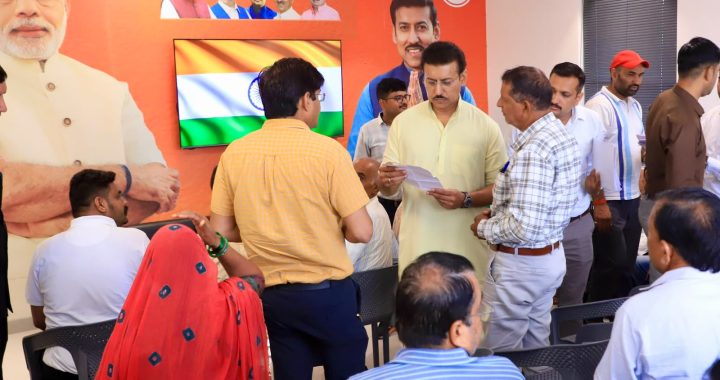
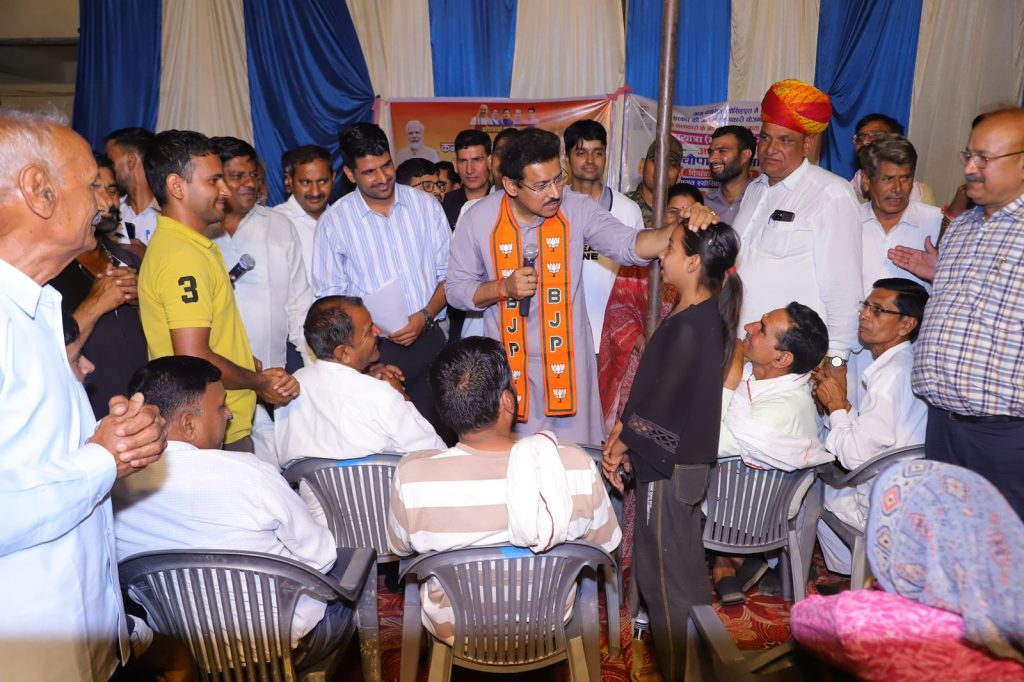
The core engine driving this change is a commitment to direct public interaction. As a prominent government minister rajasthan, Col. Rathore refuses to rule from air-conditioned capital offices. Instead, his public meetings serve as raw, unscripted ground reality Jhotwara development checks.
By taking his place directly among the villagers, farmers, and young students, he hears about broken infrastructure, power line failures, and water blockages directly from the people living through them. This open communication bypasses political middlemen entirely, shifting the administrative culture from a posture of defensive paperwork to aggressive, on-the-spot accountability.
2. Bringing the Entire Administration to the People
What truly makes these public forums unique is that the minister rarely travels alone. During critical constituency tours, he arrives alongside senior administrative officials from urban bodies, electricity boards, and water departments.
If a citizen presents a valid local issue, the respective department head is called up right there to answer for it. This direct-action style underpins the massive Viksit Jhotwara development project—a comprehensive ₹924 crore infrastructure framework where deep-seated road, drainage, and water reservoir issues are targeted with military-style deadlines.
3. Aligning Citizen Input with Broader Ministry Policies
These grassroots meetings do more than solve local neighborhood gridlocks—they directly shape high-level executive policies across his five state ministries. For example:
- Youth & Employment: Listening to anxious students at public forums inspired his push for skill-first recruitment as the state’s youth employment minister.
- Tech-Driven Tracking: Feedback regarding slow grievance tracking accelerated modern digital solutions under his watch as the Rajasthan IT minister 2026, creating easier ways for citizens to submit and track local issues online.
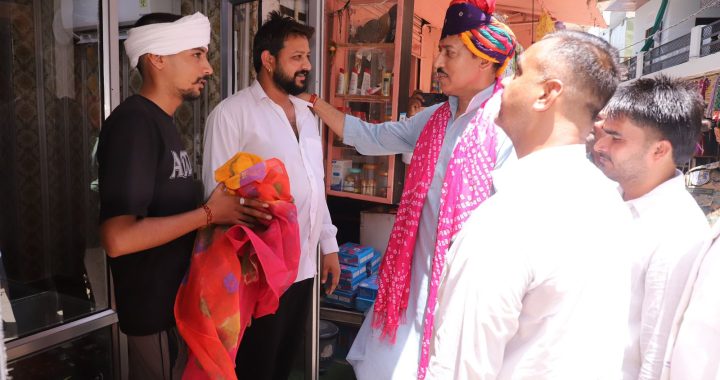
- Small Businesses: Direct talks with local shopkeepers heavily influenced the design of the trade policies he oversees as the industry minister rajasthan, which cut red tape for small traders looking to secure asset-free growth loans.
4. A Culture Built on ‘Delivery or Deadline’
As an Olympic silver medal 2004 winner, Col. Rathore runs his office on performance metrics. Every grievance approved at a public meeting is assigned a fixed target date. Officials are fully aware that the minister conducts spontaneous on-site inspections to verify the quality of concrete, piping, and facilities. This insistence on strict personal accountability has forced an outdated system to move at the speed of the modern world.
Conclusion
Col. Rajyavardhan Rathore is proving that real leadership isn’t measured by a politician’s words, but by the visible changes on everyday streets. By transforming standard political rallies into action-oriented development hubs, he is proving that an approachable, disciplined government isn’t just an idealistic dream—it’s an achievable milestone for a rising, prosperous Rajasthan.